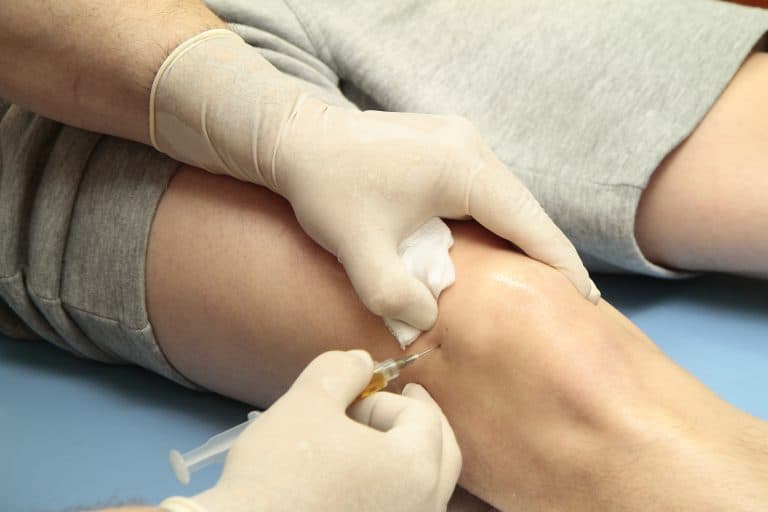



Exploring Cartilage Regrowth Gels Versus Modern Regenerative Therapies: An In-Depth Comparative Review
Introduction
Cartilage damage is a common problem that can seriously affect joint health and mobility over time. Because cartilage lacks a good blood supply, it doesn’t heal easily, often leading to pain and stiffness that can impact daily activities. Fortunately, advances in regenerative medicine have led to a range of treatments aimed at repairing damaged cartilage and restoring joint function.
Among these, cartilage regrowth gels have gained attention as an innovative option that supports new tissue growth at the cellular level. Other well-established treatments include Matrix-Assisted Autologous Chondrocyte Implantation (MACI), platelet-rich plasma (PRP) therapies, stem cell treatments, and surgical options such as joint implants or replacements. This article offers a clear, evidence-based comparison of these therapies to help both patients and healthcare professionals make informed decisions tailored to individual needs.
The Science Behind Cartilage Regeneration: Gels and Beyond
Cartilage acts as a smooth cushion in our joints, allowing bones to glide over one another without pain and absorbing shocks from movement. However, its natural ability to repair itself is very limited, making any damage particularly troublesome.
Cartilage regrowth gels are typically made from hydrogel or collagen materials that mimic the environment needed for cartilage cells—called chondrocytes—to grow and multiply. These gels create a supportive scaffold that encourages new cartilage to form. For example, recent studies have verified the effectiveness of acellular collagen type-I gels—like ChondroFiller liquid—in treating small to medium knee cartilage defects by promoting regeneration.
By contrast, MACI involves harvesting a patient’s own cartilage cells, growing them in the lab, and then re-implanting them into the damaged area to repair the tissue. PRP therapy uses concentrated platelets from the patient’s blood to stimulate healing through growth factors, while stem cell treatments rely on versatile cells that can transform into cartilage cells. Surgical interventions, including implants and joint replacements, provide structural support mainly in more advanced cases where regeneration alone isn’t enough.
Importantly, the success of these treatments often depends on the expertise and judgement of the clinical team, ensuring the right therapy for the right patient.
Schneider, U. (2016). Controlled, randomized multicenter study to compare compatibility and safety of ChondroFiller liquid (cell free 2-component collagen gel) with microfracturing of patients with focal cartilage defects of the knee joint. https://doi.org/10.5348/VNP05-2016-1-OA-1
Free non-medical discussion
Not sure what to do next?
Information only · No medical advice or diagnosis.
Evaluating Effectiveness, Recovery, and Practical Considerations
How effective are cartilage regrowth gels compared to other therapies? Studies have shown promising results. For instance, patients treated with ChondroFiller liquid experienced “significantly improved” clinical scores within just a few months after treatment, and these benefits were maintained for at least a year. MRI scans also showed the treated areas filled well, with the new cartilage integrating “perfectly” into the surrounding tissue.
MACI is often effective for focal defects but requires a more complex two-stage surgical process. PRP and stem cell approaches are less invasive but somewhat variable in outcomes, depending on patient factors and exact treatment protocols.
Recovery times can also vary. Minimally invasive gel injections usually mean quicker returns to activity, while surgical methods like MACI demand longer rehabilitation. Cost and availability differ widely too, so these practical matters often influence which therapy suits an individual best.
The location and size of the cartilage damage, as well as the patient’s age, activity level, and overall joint health, are key factors in deciding which option to pursue. Encouragingly, advanced delivery techniques now allow gels to be placed precisely—even in difficult joints like the hip—using methods such as arthroscopy combined with specialised needle and curette tools to ensure effective treatment.
Perez-Carro, L., et al. (2021). Hip Chondral Defects: Arthroscopic Treatment With the Needle and Curette Technique and ChondroFiller. https://doi.org/10.1016/j.eats.2021.03.011
Schneider, 2016

How to Choose: Factors Influencing the Best Regenerative Therapy for You
Choosing the best treatment for cartilage damage is not one-size-fits-all. The size and location of the defect are crucial considerations: small, well-defined lesions may respond well to gel-based treatments or MACI, whereas more extensive damage might require surgical implants or joint replacement.
Other important factors include the overall joint condition, patient age, lifestyle, activity demands, and treatment expectations. Consulting an expert specialising in cartilage repair is vital to navigate these options effectively.
At specialised centres like the London Cartilage Clinic, patients benefit from multidisciplinary evaluation and tailored treatment plans. As Professor Paul Lee advises, no single therapy suits everyone, so personalised choice and ongoing care are key to achieving the best results.
Schneider, 2016
Perez-Carro et al., 2021
Summary and Responsible Guidance
In summary, cartilage regrowth gels offer a safe and promising option for repairing cartilage damage with less invasiveness than traditional surgery. Clinical studies confirm gels like ChondroFiller liquid can fill defects successfully and help rebuild cartilage, making them a valuable part of the regenerative treatment spectrum.
However, it is important to remain realistic. More extensive research and longer-term follow-up studies are needed to fully understand their potential, and individual factors will guide therapy choice.
For personalised advice, always consult a qualified healthcare professional. Combining up-to-date knowledge with expert clinical care is the best way to protect and restore joint health for the long term.
Schneider, 2016
Perez-Carro, L., et al., 2021
Corain, M., et al., 2023
Frequently Asked Questions
- London Cartilage Clinic provides cutting-edge regenerative therapies and a comprehensive, multidisciplinary approach tailored to each patient. Their expert team, led by Professor Paul Lee, ensures treatments reflect the latest clinical advances for optimal joint care and recovery.
- Professor Paul Lee is a renowned cartilage expert and Regional Surgical Ambassador. He holds advisory roles with the esteemed Royal College of Surgeons of Edinburgh, bringing unrivalled knowledge and leadership in advanced cartilage repair techniques to patient care.
- Cartilage regrowth gels, such as ChondroFiller, encourage new tissue growth with minimally invasive procedures. Studies show improved clinical scores and cartilage integration, making them effective options—particularly for small or medium defects—alongside established methods like MACI, PRP, and stem cell therapies.
- Key factors include the damage’s location and size, joint condition, age, lifestyle, and activity levels. London Cartilage Clinic offers thorough evaluation and personal guidance from Professor Lee to select the therapy best aligned with each patient’s needs and expectations.
- Personal consultation ensures treatment is tailored to each patient’s joint health, lifestyle, and goals. At the London Cartilage Clinic, Professor Lee’s expertise guides individuals through choices, offering realistic expectations and a personalised plan to maximise long-term joint health benefits.
Legal & Medical Disclaimer
This article is written by an independent contributor and reflects their own views and experience, not necessarily those of London Cartilage Clinic. It is provided for general information and education only and does not constitute medical advice, diagnosis, or treatment.
Always seek personalised advice from a qualified healthcare professional before making decisions about your health. London Cartilage Clinic accepts no responsibility for errors, omissions, third-party content, or any loss, damage, or injury arising from reliance on this material.
If you believe this article contains inaccurate or infringing content, please contact us at [email protected].
London Cartilage Clinic
Modern treatments, designed for lasting knee outcomes
Every treatment plan is selected to help you return to the quality of life you deserve. Our team combines up-to-date techniques with consultant-led decision making across cartilage repair, regeneration and replacement.
What your journey can look like
Step 01
Consultant-Led Assessment
Symptoms, imaging and goals reviewed in one structured appointment.
Step 02
Personalised Treatment Plan
A clear route chosen from repair, regeneration or replacement options.
Step 03
Precision Delivery
Modern techniques and specialist equipment matched to your diagnosis.
Step 04
Long-Term Knee Health
Follow-up guidance focused on durable function and quality of life.
Will the Arthrosamid work for me
PAAG-8+ Questionnaire
A bright, structured entry point for patients exploring Arthrosamid. The questionnaire helps frame suitability, expectations, and 24-month clinical benefit discussion before a fuller consultant-led review.
Designed for shared decision-making. It does not replace specialist consultation, examination, imaging review, or formal medical advice.